
How to Really Fish Shotgun: Understanding the Myths, Risks, and Safety Realities
Ever wondered how to really fish shotgun? Discover why using firearms for fishing is impractical, dangerous, and illegal in most jurisdictions.
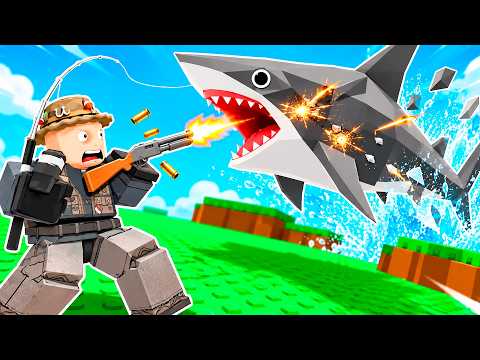 Verified gameplayEver wondered how to really fish shotgun? Discover why using firearms for fishing is impractical, dangerous, and illegal in most jurisdictions.YouTube
 The Reality Behind Attempting to Fish with Firearms
When people ask how to really fish shotgun, they are often met with confusion or cautionary tales. The idea of using a firearm to harvest aquatic life is a recurring curiosity, yet it remains fundamentally disconnected from the actual practice of angling. To understand how to really fish shotgun, one must first recognize that water acts as a formidable barrier, rendering standard ballistics ineffective.
Beyond the physics of terminal ballistics, there is the matter of legality and sporting ethics. Fishing is historically and legally defined as a sport involving rods, reels, and specific lures. Attempting to use a shotgun as a primary method for gathering fish is not only inefficient but also typically illegal under state and federal wildlife regulations.
Why Conventional Gear Remains the Gold Standard
If you are looking to understand how to really fish shotgun, you will quickly find that it doesn't solve the core challenges of the sport. Modern fishing equipment is designed to bridge the gap between the angler and the water. From long-range casting rods to specialized sonar, the technology available today is vastly superior for tracking and catching fish.
Comparison of Harvesting Methods
| Method | Effectiveness | Legal Status | Safety Risk |
|---|---|---|---|
| Fishing Rod & Reel | High | Legal / Standard | Low |
| Bow Fishing | Moderate | Regulated | Moderate |
| Spearfishing | Moderate | Regulated | Moderate |
| Firearms | Very Low | Generally Illegal | Very High |
As noted in community reports, fishing is fundamentally about the interaction between the angler and the environment. Firearms, by contrast, offer no mechanism to retrieve a target from the water. Even if you were to bypass the safety and legal hurdles, you are left with no way to land your catch, effectively turning a potential meal into a hazardous environmental waste issue.
Safety Risks and Physical Limitations
When exploring how to really fish shotgun, the most critical lesson is understanding the behavior of projectiles in water. Water is significantly denser than air. When a shot charge hits the surface, it loses almost all kinetic energy within a few inches. This results in minimal impact force, often only stunning the fish rather than securing it.
Ricochet Dangers on the Water Surface
- High-Velocity Skip: Shotgun pellets striking the water at shallow angles are notorious for skipping or ricocheting in unpredictable directions.
- Back-Pressure: Firing toward a solid or dense surface near water increases the risk of debris spray toward the shooter.
- Equipment Damage: Discharging a firearm near or over water increases the likelihood of moisture-related damage to the weapon’s internal mechanisms.
Community reports from seasoned outdoorsmen consistently highlight that the risk of injury to the shooter or bystanders far outweighs any perceived utility. The unpredictable nature of a ricochet on a flat surface like a lake or river makes it one of the most dangerous activities an individual could attempt in an outdoor setting.
When Firearms Are Actually Used in Fishing
While learning how to really fish shotgun for the purpose of catching dinner is discouraged, there are valid scenarios where firearms are carried in the backcountry. In many parts of the United States, including deep wilderness areas of Minnesota or remote coastal regions, anglers carry firearms for defensive purposes.
Defensive Use vs. Harvesting
- Predator Deterrence: In areas with high populations of bears, wolves, or large predatory cats, carrying a sidearm is a common safety practice.
- Aggressive Wildlife: Occasionally, large fish like muskellunge or barracuda can behave aggressively near a kayak or small boat. While some anglers suggest having a firearm as a last resort, it is rarely for "fishing" purposes—it is for self-defense.
Equipment Comparison for Anglers
| Item | Primary Purpose | Best Practice |
|---|---|---|
| Spinning Rod | Catching prey | Use for target species |
| Sidearm (.357 or .44) | Personal safety | Keep stored securely |
| Machete/Blade | Clearing brush | Keep in sheath |
| Shotgun | Hunting (Land) | Never use on water |
Sporting Ethics and Legal Guidelines
When researching how to really fish shotgun, it is vital to remember the principle of "Fair Chase." Wildlife management agencies across North America have established strict guidelines to ensure that fish populations remain sustainable. Using high-powered or indiscriminate weaponry like a shotgun is diametrically opposed to these conservation efforts.
The use of lead shot is another major concern. Many state wildlife agencies are currently phasing out lead ammunition because it is toxic to the environment. If lead pellets settle in a lake or riverbed, they can be ingested by waterfowl or scavengers, leading to long-term ecological damage.
Regulatory Checklist for Responsible Anglers
- License Requirements: Always carry a valid fishing license.
- Method Restrictions: Only use approved gear (rods, lines, hooks, or legal spears/bows).
- Catch Limits: Respect the bag and size limits to maintain healthy population numbers.
- Environmental Stewardship: Always pack out what you pack in; never introduce foreign materials into the water.
FAQ: Common Questions on Fishing Methods
Is it legal to use a shotgun to catch fish? No. In nearly all jurisdictions, using a firearm to harvest fish is illegal. The laws regarding fishing are strict and usually limit you to specific types of tackle to ensure the sport remains sustainable and fair.
Why do people ask how to really fish shotgun? Often, the search query stems from social media trends or curiosity about extreme fishing methods. However, in reality, no professional or ethical angler uses a shotgun to catch fish because it is ineffective, dangerous, and ecologically harmful.
What is the best alternative to fishing with a rod? If you want something different than a standard spinning rod, consider bow fishing or freediving with a speargun in areas where it is explicitly permitted. These methods require skill, patience, and a much higher level of precision than indiscriminate firearms.
Can I carry a gun while fishing for safety? In many regions, carrying a firearm for protection against terrestrial predators is legal. However, you must always adhere to local laws regarding firearm storage, concealed carry permits, and wildlife management regulations. Never use a firearm to interact with the fish itself.
Related Guides
How to Really Fish Best Weapons: Essential Gear for Your Next Big Catch
Master the water and take down tough aquatic bosses with our guide on how to really fish best weapons, from starter knives to endgame gear.
How to Really Fish Dual Uzis in How to Really Fish: A Pro Strategy Guide for Dominating Matches
Master the Dual Uzis in How to Really Fish with our expert guide. Learn how to really fish Dual Uzis for effective kills, loadout tips, and tactical positioning.
How to Really Fish Sharpen Knife Like a Pro: Best Techniques and Gear Guide
Stop struggling with dull blades. Learn how to really fish sharpen knife edges using professional techniques, from whetstones to guided systems.
How to Really Fish Sniper: The Ultimate Guide to Precision Slingshot Fishing Gear
Master the art of precision fishing. Learn how to really fish sniper style with our comprehensive guide on gear, technique, and safety for this viral trend.